Plaster
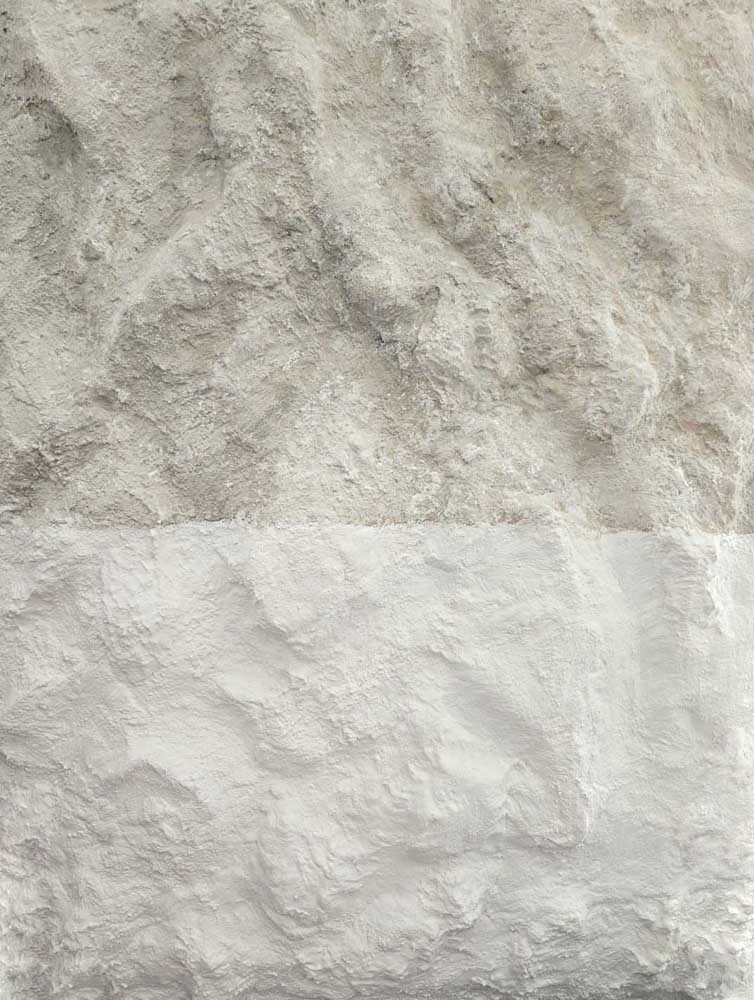
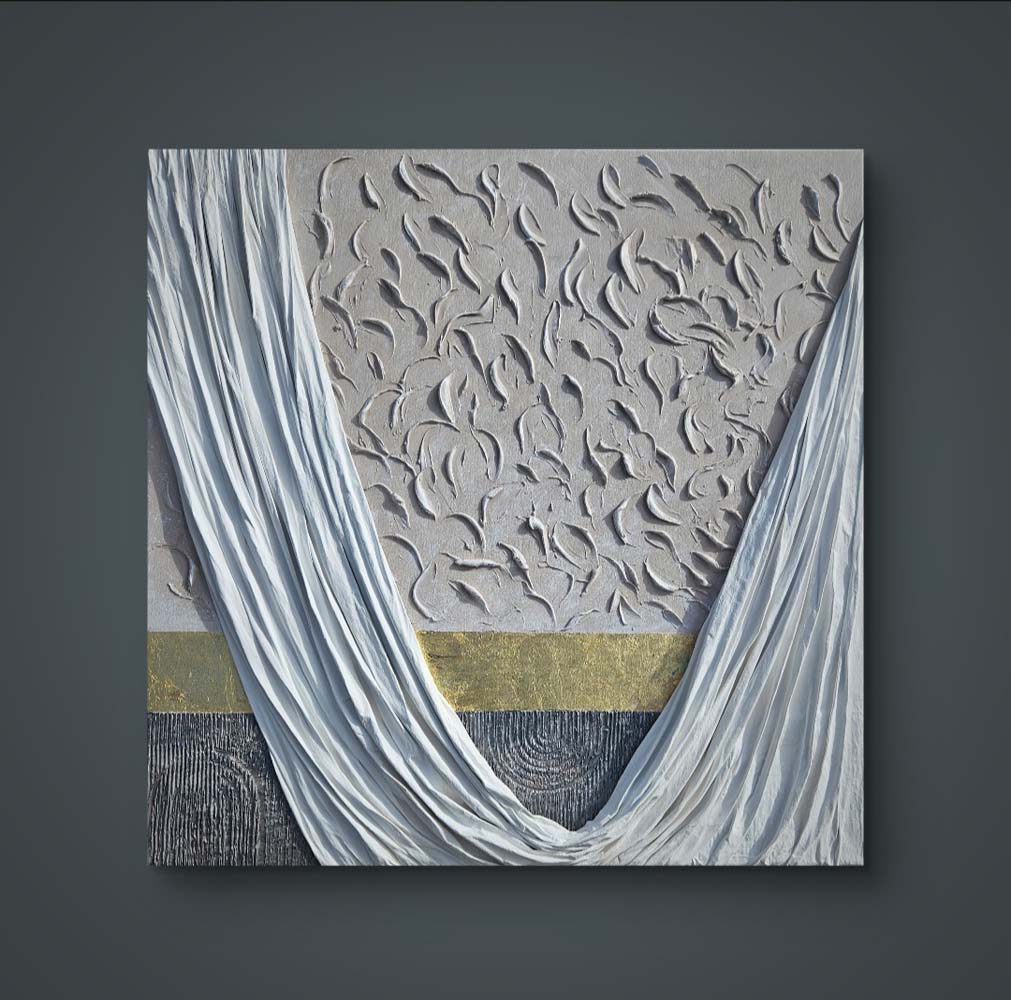
Amalia, a talented sculptor, approaches her work with plaster through a hands-on and creative process. She begins by sketching her ideas, often drawing inspiration from nature and organic forms. Once she has a clear vision, she sets to work.
Plaster of Paris is mixed with precision to achieve the ideal consistency, ensuring a smooth and workable texture. Instead of using molds, the material is directly manipulated, sculpted, and formed into the desired shape. Various specialized tools are utilized to bring the piece to life, allowing for the construction of layers and textures within the soft plaster.
As the plaster begins to set, she meticulously refines the piece, carving, smoothing, and adding texture where needed. Her intuitive touch allows her to mold the material organically, ensuring each sculpture is unique and rich in detail.
To complete her work, she often paints or seals the plaster, adding color and a protective finish. Her passion for detail and commitment to her craft result in stunning pieces that embody the beauty and intricacies of her artistic vision.
Concrete
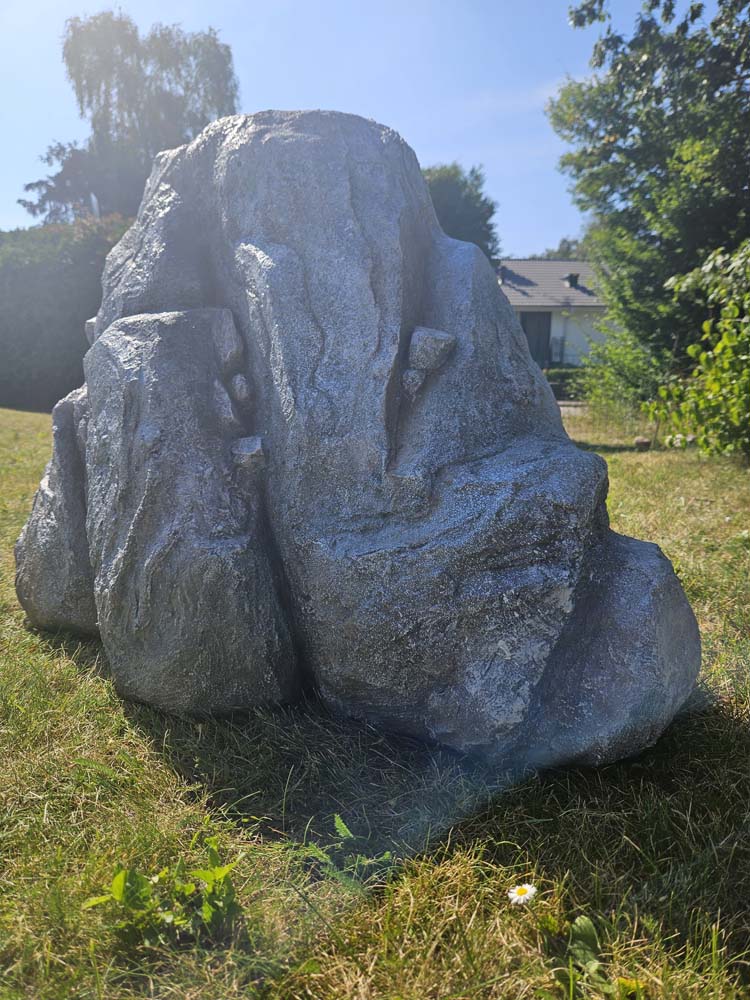
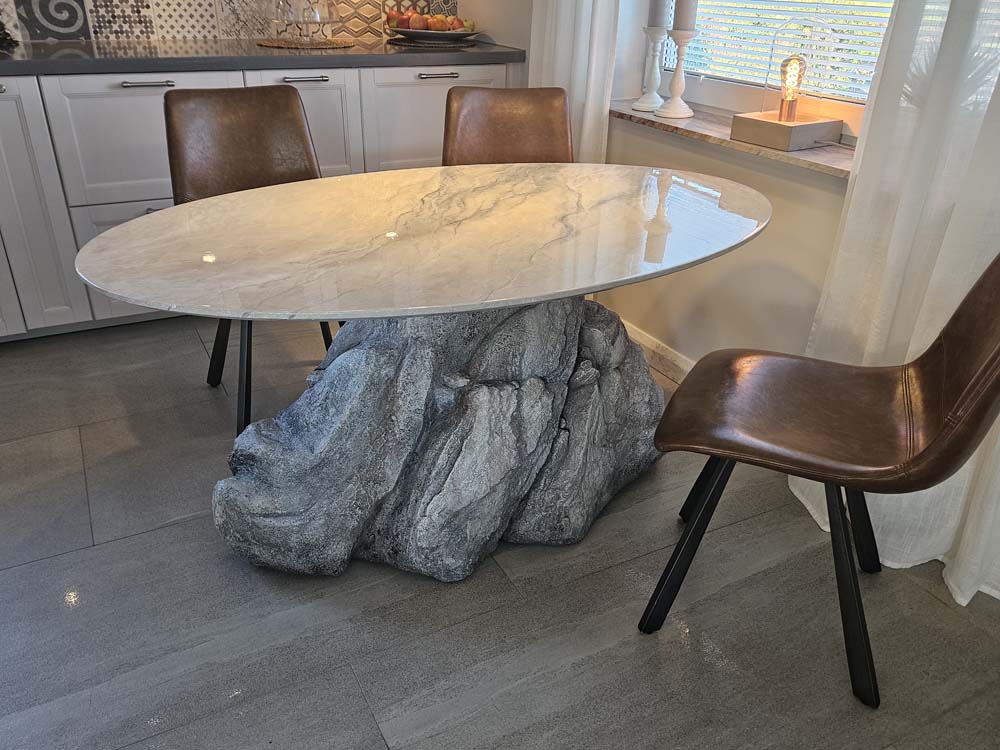
An artist begins by sketching their vision and carving a foam base into the desired form, using tools like knives or rasps. For larger pieces, they may reinforce the foam with a wood or metal armature for added stability.
Next, she prepares a fine concrete mix and applies it in thin layers, carefully building up texture and details.
Before adding color, the artist works with brushes and rollers to create a natural texture on the concrete surface, mimicking the appearance of stone, wood, or other materials. This step ensures the sculpture has depth and realism.
To enhance the effect, the artist colors the concrete using stains, pigments, or paints, blending tones to achieve a lifelike finish. They may also incorporate other elements, such as embedded objects or mixed media components, to further bring the piece to life.
After the concrete cures, the surface is refined through sanding or additional sculpting. The artist then carefully paints the details, using layers of color to enhance texture and create a realistic appearance. Finally, the sculpture is sealed for protection, transported, and displayed, showcasing the artist’s vision in striking detail.
Epoxy
The epoxy resin is mixed with a hardener in precise proportions to create the correct consistency for the project. This mixture can remain clear, or the artist may add pigments, dyes, or metallic powders to achieve the desired colors and effects. Working with epoxy is time-sensitive, as it begins to cure and harden within a specific window. The artist carefully pours the epoxy onto the canvas, using their hands, spatulas, or brushes to manipulate the material.
The fluidity of epoxy allows the artist to create mesmerizing patterns, waves, and gradients, often enhanced by tilting or rotating the canvas. Tools such as heat guns or torches are sometimes used to remove air bubbles and further shape the flow of the resin, resulting in smoother surfaces or dynamic textures.
As the epoxy cures, the artist continues refining the piece, adding layers if needed to build depth and dimension. Some artists embed materials such as crystals, leaves, or other objects into the epoxy to create a unique visual effect. Once the resin is fully cured, the artwork takes on a glossy, glass-like finish that enhances its vibrancy and depth.
To protect and enhance the finished piece, the artist may sand and polish the surface, applying a final seal or protective coating. The result is a striking piece of art with a sleek, high-gloss surface, often resembling glass or water, that captures the artist’s creative vision.
Art comes to life
The artwork comes to life through a transformative process of coloring, painting, and shaping the final piece. After the initial form is created, vibrant pigments and dyes are carefully selected to infuse the artwork with rich hues, enhancing its visual appeal. This step not only adds color but also deepens the emotional impact of the piece.
Once the coloring is applied, the artist employs various painting techniques to further enhance the artwork’s texture and depth. Brushes, sponges, or even fingers may be used to create unique effects, blending colors and adding intricate details. This layering process helps to establish a dynamic interplay between light and shadow, drawing the viewer’s eye and inviting them to explore the artwork more closely.
Finally, the piece is shaped and refined, with the artist meticulously adjusting details to ensure harmony and balance. This shaping process allows for the expression of movement and fluidity, giving the artwork a sense of life and energy.
Through the combination of coloring, painting, and shaping, the final result emerges as a cohesive and vibrant expression of creativity, captivating the viewer and bringing the original vision to fruition.